Key Considerations for Transferring Silicone Keypad Molds from Customers
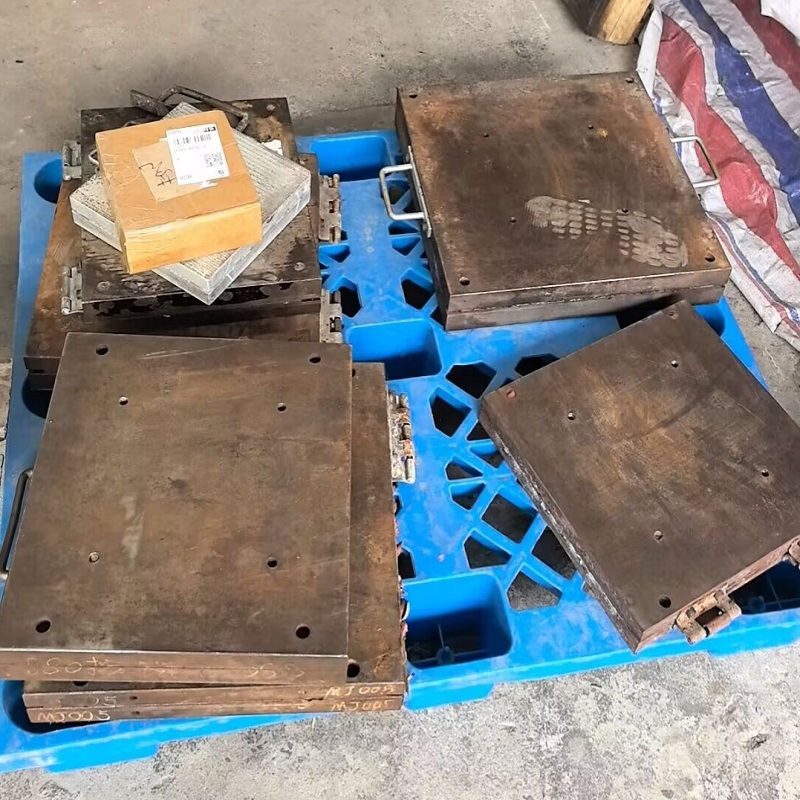
A while ago, a long-term customer of ours decided to transfer several molds originally developed by another supplier to our facility. We gladly agreed. Since it was near the weekend, we arranged to receive the molds the following Monday and ensured we were prepared to handle the shipment. (Chicarubber)
As an established silicone manufacturing factory, we frequently encounter such scenarios—whether it’s longtime customers transferring molds or new clients seeking to collaborate by moving their tooling to us. While mold transfers reflect a high level of trust and often lead to new projects and orders, it is crucial to manage the process carefully to prevent issues during sampling and production.
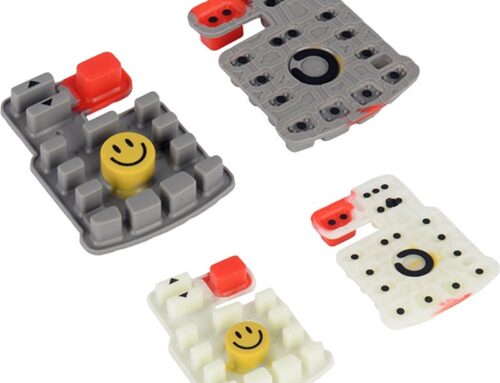
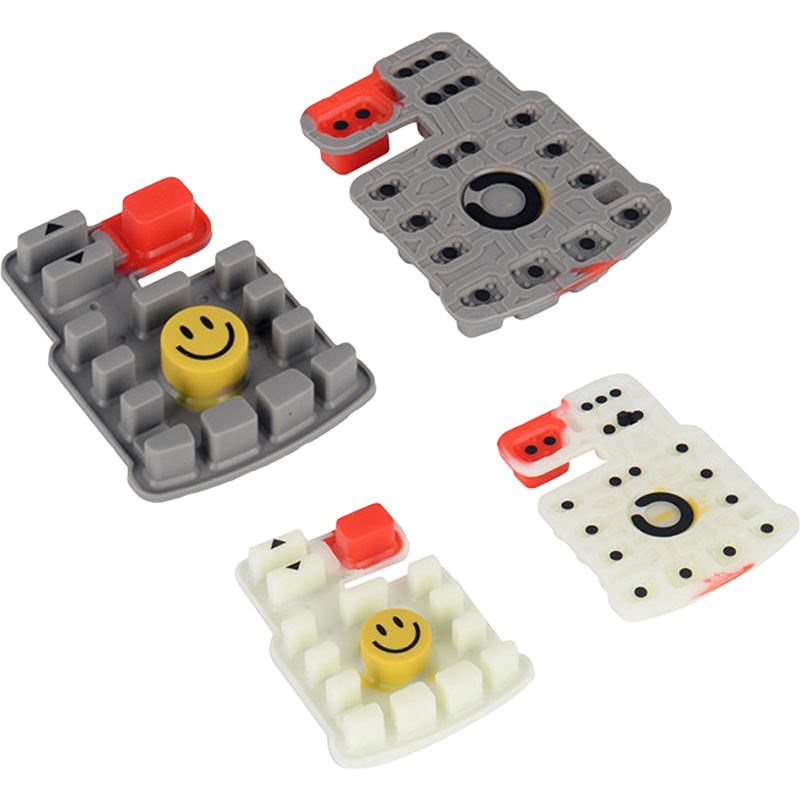
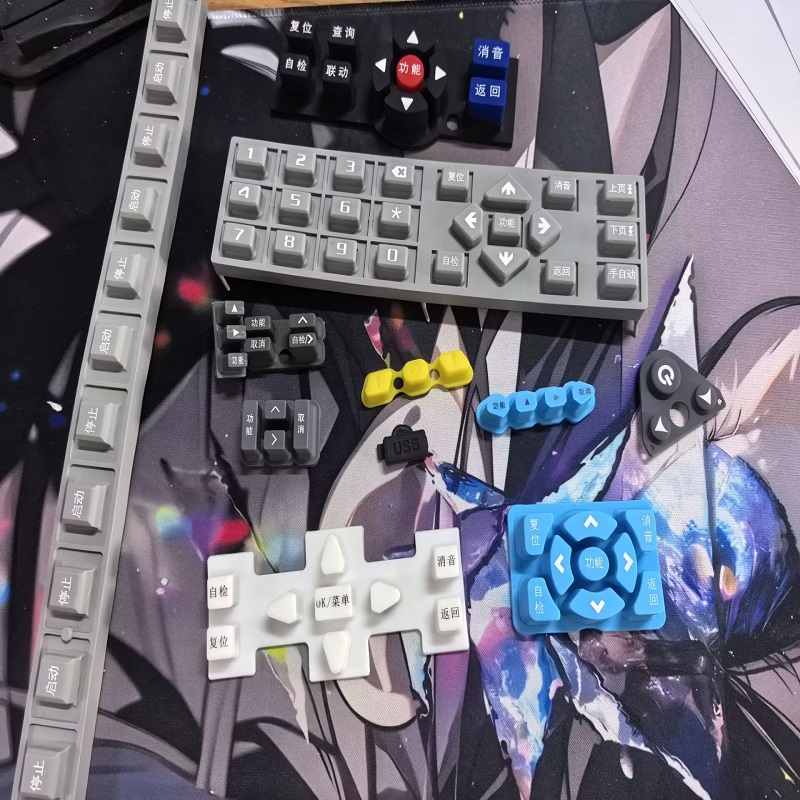
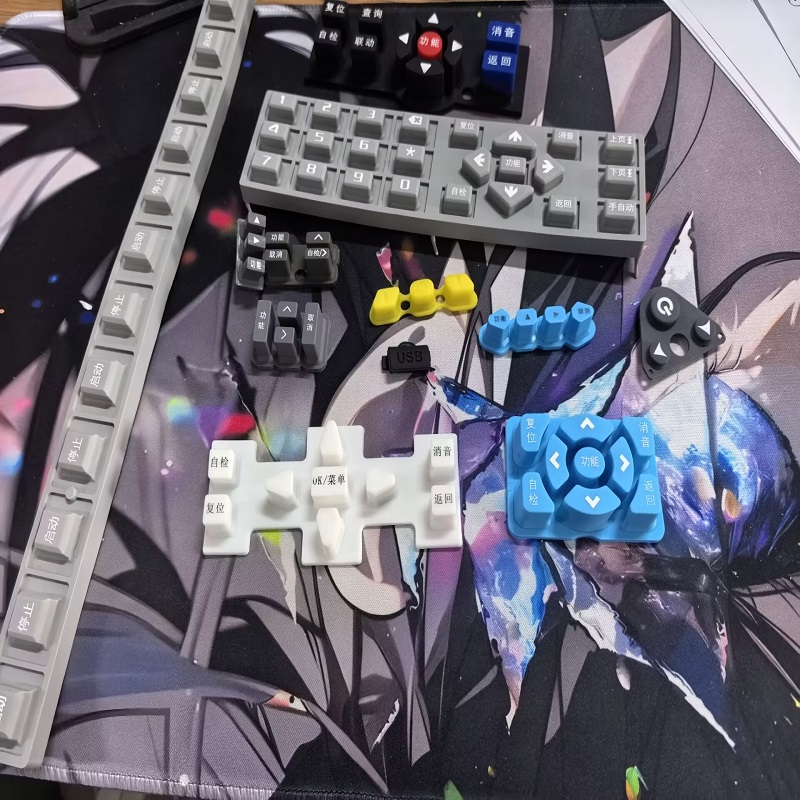
The molds transferred by this customer were specifically for silicone keypads. For such projects, a complete set of tooling is usually required, including:
· The main steel mold for the silicone keypad body
· Printing jigs
· Screen printing frames
· Jigs for conductive carbon dot printing
· Punching jigs for precise trimming
All these components must be included according to the product requirements. Fabricating them separately later not only incurs additional costs but may also result in mismatched quality or performance.
Another essential aspect when receiving molds from another manufacturer is obtaining the 3D design files. These files are invaluable for troubleshooting and performing adjustments or repairs accurately. Without 3D program data, our mold technicians can only rely on manual repairs, which are time-consuming, labor-intensive, and carry a higher risk of errors or damage to the mold. (Chicarubber)
Are there any other key points we should consider in such mold transfer processes?
If you need to customize silicone products, please contact us at chicarubber