Overcoming Complex Silicone Overmold Demolding: Core-Pin Challenges and Mold Design Solutions
At our factory, every new project brings its own set of engineering challenges—and one recent silicone protective sleeve project was a perfect example. Let me walk you through what happened, how we solved it, and what it means for your next silicone molding project.
The Project: Three Custom Silicone Parts
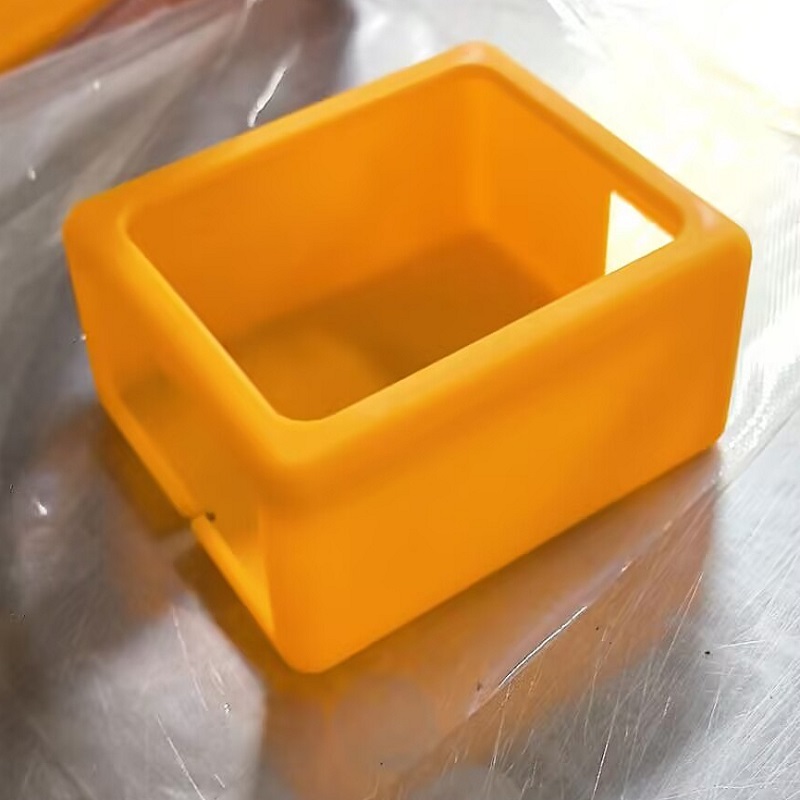
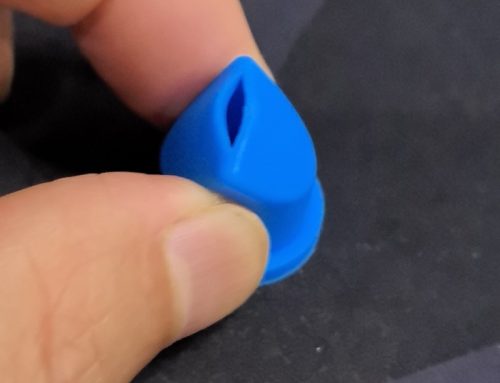
Earlier this year, a new customer approached us to develop three custom silicone products: two silicone keypads and one silicone protective sleeve. This article focuses on the protective sleeve—a 2mm-thick orange silicone cover designed to wrap around a component, providing both protection and a comfortable grip.(Chicarubber)
The Problem: Core Pins Stuck During Demolding
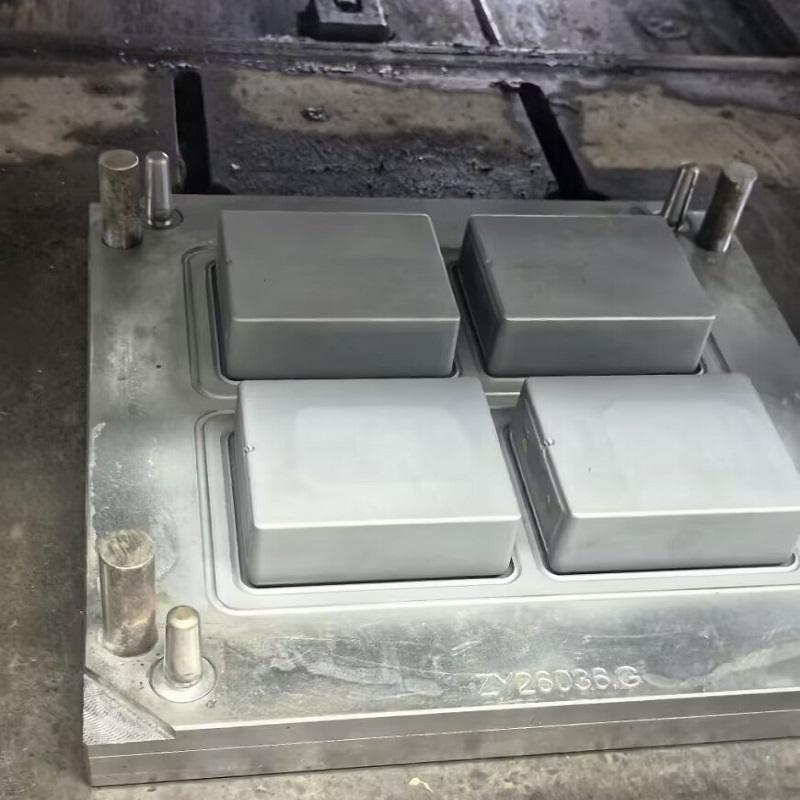
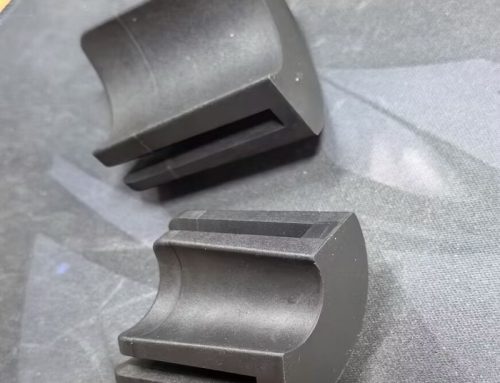
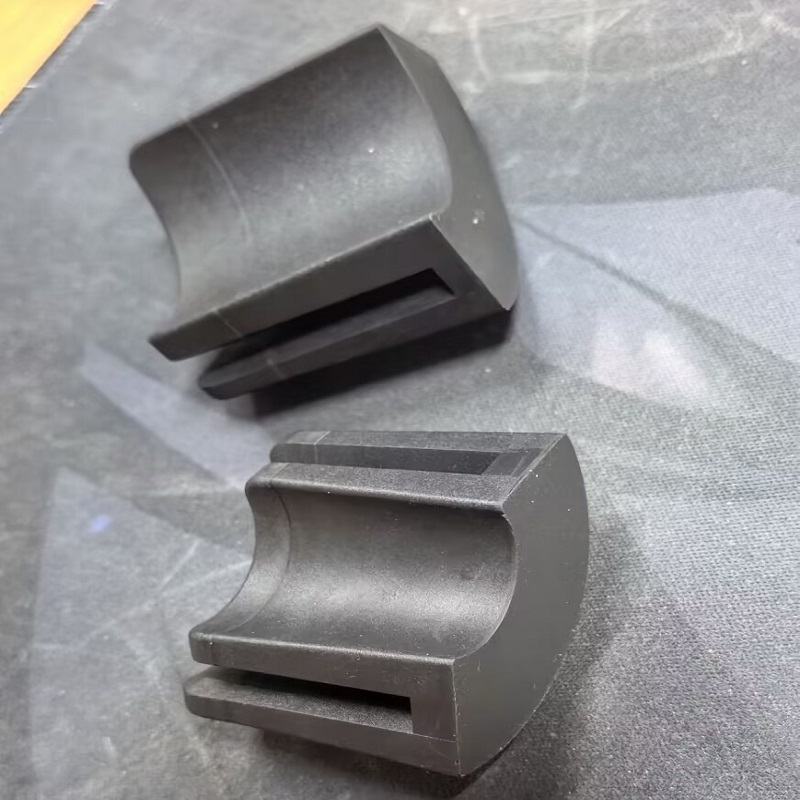
When we ran the first trial of the large production mold for the silicone sleeve, our engineering team ran into a serious issue: demolding was extremely difficult. The core pins (the internal inserts that form the hollow cavity of the sleeve) were getting stuck inside the mold cavity, essentially bonded with the silicone material.
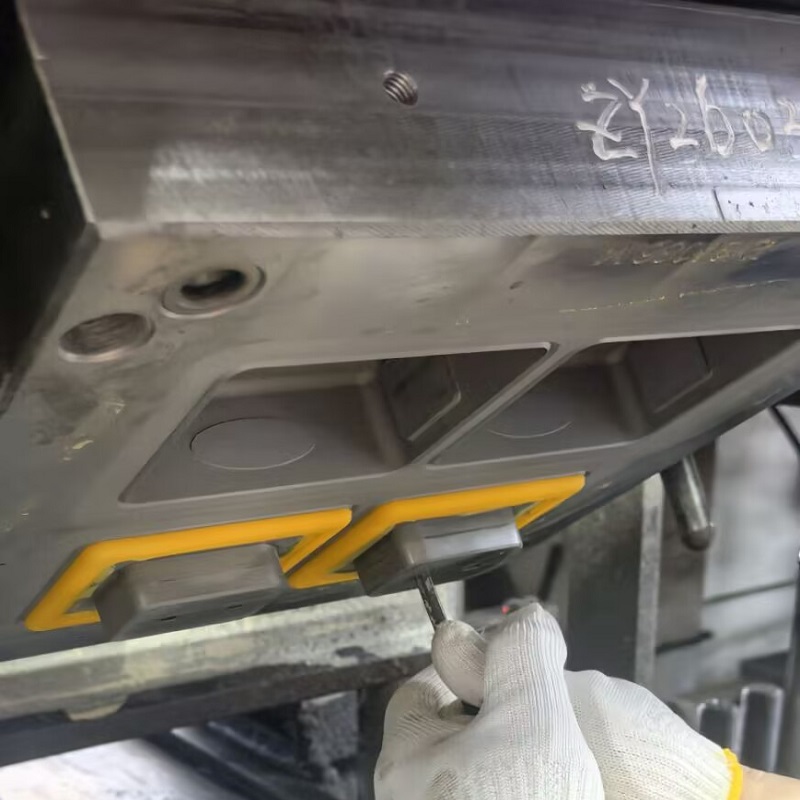
To remove the part, workers had to use an air gun and pliers to slowly and carefully pull the core pins out by hand. This was not only slow and labor-intensive—it was also dangerous. The core pins could come loose unexpectedly and fall, potentially damaging the mold.
The Solution: A Smarter Mold Structure
After discussing the problem with our mold technicians, we developed a better approach. Instead of relying on manual force, we redesigned the mold structure:
- Add an additional bottom plate
- Convert the lower mold into a middle plate
- Position the core pins on the middle plate
- Cut an opening through the bottom plate
This way, the lower mold plate connects to the core pins and can be lifted from the side, using the machine’s power to push the core pins out. What was nearly impossible by hand becomes effortless with mechanical force.
Since the silicone sleeve has a large opening where the core pin needs to release, we designed that area to connect with the lower mold for smoother ejection.
Sample First, Then Optimize
While we continue refining the mold, we’ve already produced initial samples. We’re sending these samples to the customer now so they can:
- Test the fit and dimensions
- Check the color (a custom orange)
- Evaluate the feel and protective performance of the 2mm silicone wall
This parallel approach—sample validation alongside mold modification—saves valuable time. Once the customer confirms the samples work for their application, we can move directly to the next step: either final mold adjustments or full production runs.
Why This Matters for Your Project
If you’re developing a silicone part with internal cores or complex geometry, mold design is everything. A well-designed core-pin ejection system means:
- Faster cycle times – no more manual extraction
- Safer operation – reduced risk of mold damage
- Better part consistency – less strain on the silicone during demolding
- Lower production costs – efficiency adds up quickly at scale
At our factory, we don’t just run molds—we solve the problems that come with them. Whether it’s a silicone keypad, a protective sleeve, or a fully custom overmold, we bring engineering thinking to every project.(Chicarubber)
Have a silicone project that needs a mold designed for real-world production?
Let’s talk. Send us your drawings or samples, and we’ll help you get from concept to production—efficiently and safely.
Overcoming Complex Silicone Overmold Demolding: Core-Pin Challenges and Mold Design Solutions
If you need to customize silicone products, please contact us at chicarubber




Leave A Comment
You must be logged in to post a comment.