
Solving Demolding Challenges in Solid Silicone Overmolds for Metal Surface Masking
Every so often, a project evolves in a way that forces us to rethink the mold—and that’s exactly what happened with one of our long-time customers in the water-cooled metal tube industry.(Chicarubber)
The Original Plan: Silicone Sleeve + Metal Clamp
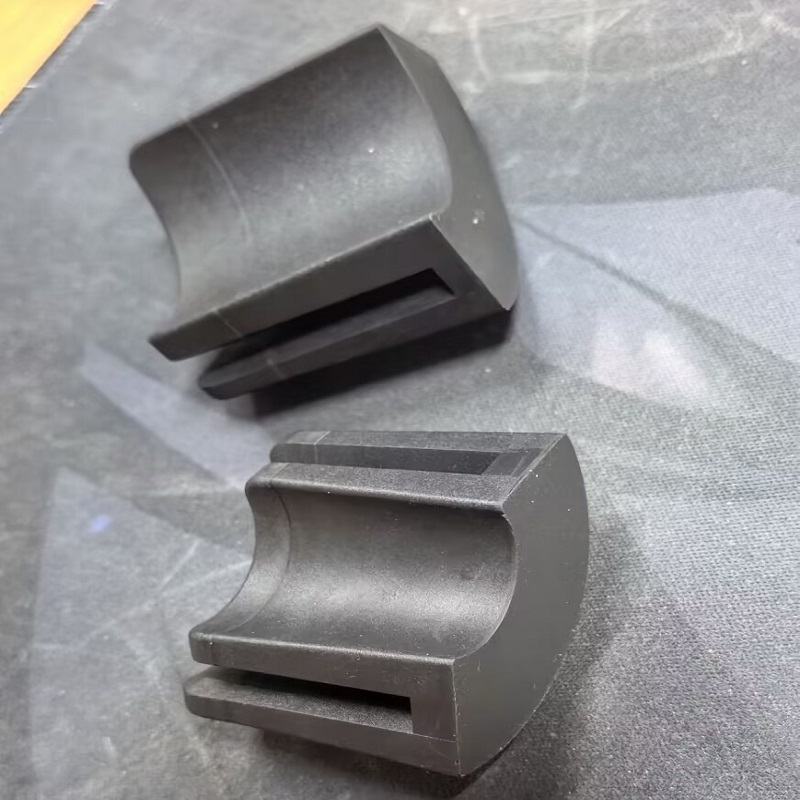
This customer manufactures water-cooled metal tubes. Their process requires masking certain characters on the metal surface while other areas get textured. Our original solution was a silicone sleeve combined with a metal clamp to hold everything in place. However, the customer ultimately rejected this approach.
The New Direction: All-Silicone, No Metal Support
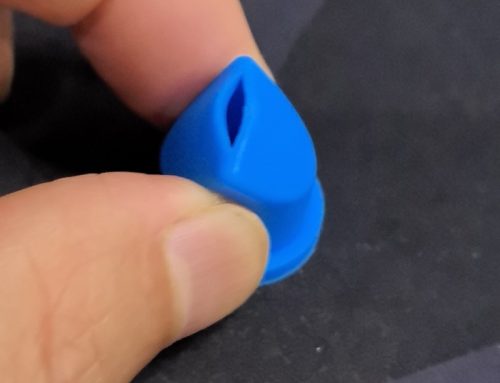
The customer decided to switch to a fully silicone solution—no metal clamp, no external support structure. We moved quickly to modify the silicone design and ran a trial mold.
That’s when we hit a problem.
The Issue: Solid Silicone Is Hard to Demold
Once the silicone sleeve became solid (rather than hollow with internal support), demolding became extremely difficult. The part was thick, the silicone hardness was high, and it kept getting stuck in the mold. When workers applied strong force to pull it out, the silicone tore. The customer made it clear: torn or broken parts are unusable. This had to be fixed.
Our Engineering Recommendations
For thick, high-hardness solid silicone parts, our engineering team proposed a multi-step approach:
1. Teflon Coating on the Mold Surface
We recommended applying a Teflon (PTFE) coating to the mold surface to reduce friction and improve release. This is a common and effective solution for stubborn silicone demolding.
2. Switch to a Tougher Silicone Material
Without changing the hardness, we suggested using a high-tensile气相胶 (fumed silicone rubber)—a material known for better tear resistance and toughness. This helps the part survive the demolding process without ripping.
3. Polish the Mold Surface
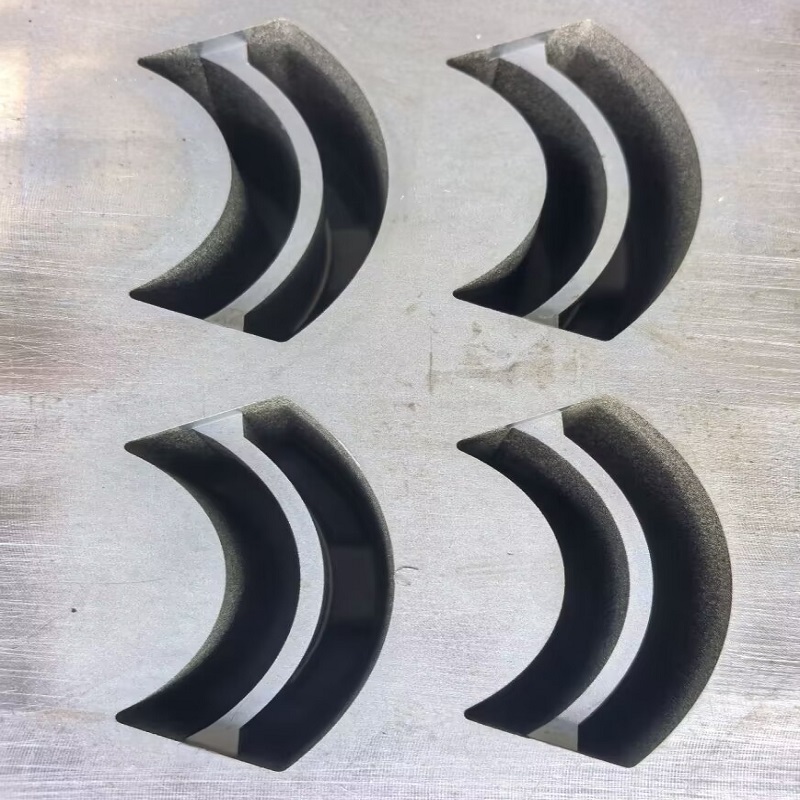
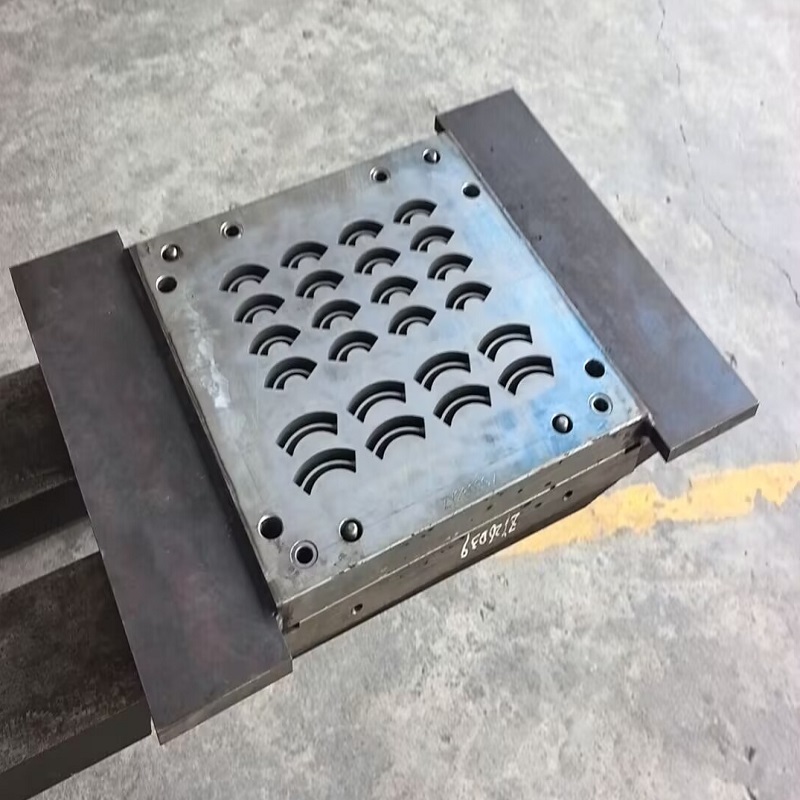
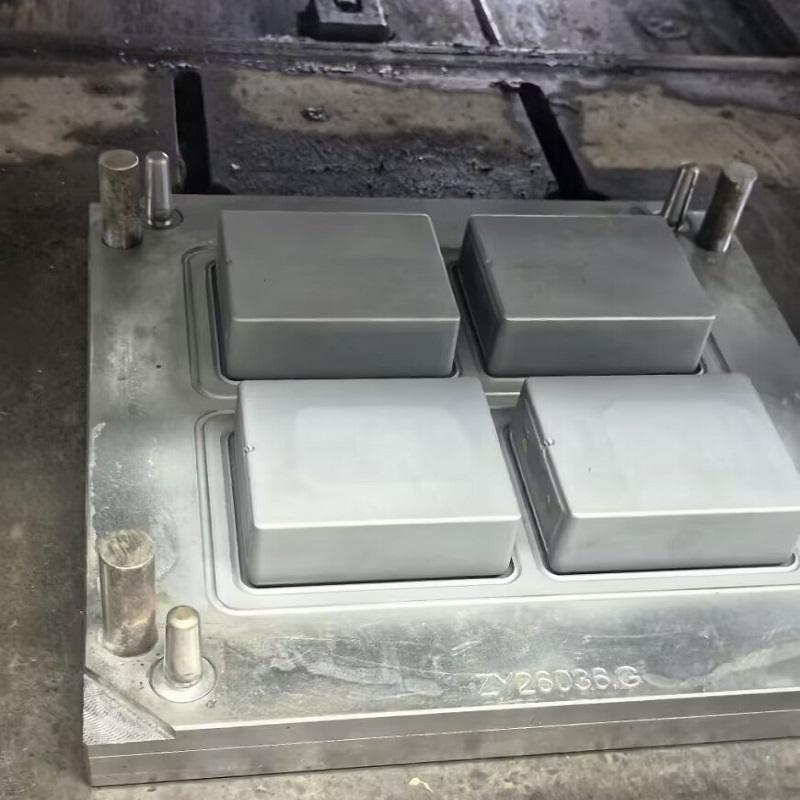
Here’s a key detail: our current mold is a three-plate structure, and the product sits entirely on the middle plate. That middle plate was made using EDM (electrical discharge machining), which leaves a thick, rough discharge texture on the surface. This texture creates significantly more friction than a standard machined finish.
We recommended polishing the surface first, then applying the Teflon coating. The combination should deliver noticeably better release performance.
Why This Matters for Your Silicone Project
If you’re working with thick, solid silicone parts—especially for masking, protection, or overmolding applications—these are the factors that make or break your production:(Chicarubber)
- Mold surface finish – EDM texture vs. polished surface makes a huge difference in friction
- Coatings – Teflon/PTFE can dramatically improve release
- Material selection – High-tensile fumed silicone resists tearing better than standard compounds
- Mold structure – Three-plate designs with the part on the middle plate need careful ejection planning
At our factory, we don’t just run the mold and hope for the best. When problems come up—and they do—we dig into the root cause and engineer a fix.
Got a challenging silicone part that’s hard to demold or prone to tearing?
Send us your drawings or samples. We’ll help you design a mold and select a material that can actually handle production—without the breakage.
Solving Demolding Challenges in Solid Silicone Overmolds for Metal Surface Masking
If you need to customize silicone products, please contact us at chicarubber




Leave A Comment
You must be logged in to post a comment.