

How We Solved Light Leakage in a Two-Color Silicone Keypad
A silicone keypad looks simple—until you add multiple colors, backlighting, and tight tolerances. That’s when experience matters.
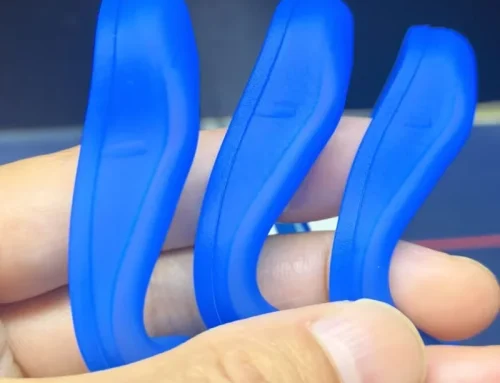
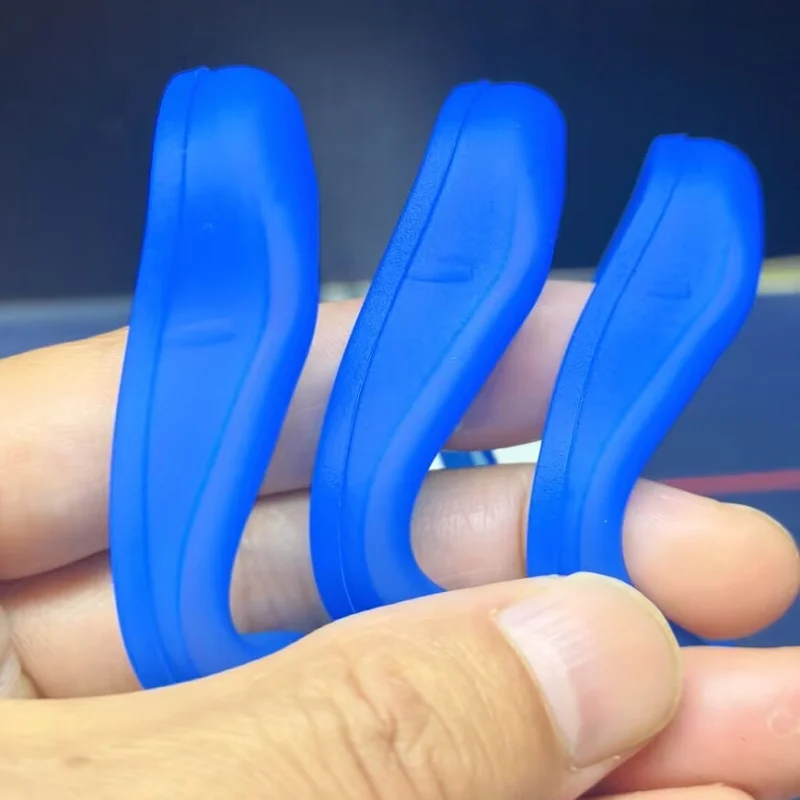
We recently revisited an older product with a classic two-tone design: black silicone on both ends and clear silicone in the middle. It sat under a plastic housing with a PCB providing backlight. The light needed to shine through the clear center, but the black silicone had to stay exactly where it was—no bleeding, no color contamination, no light leakage. (Chicarubber)
The customer’s requirement was simple: no black silicone can migrate into the clear area.
Here’s how our engineering team solved it.
The Challenge
When two different silicone compounds are placed in the same mold, they naturally want to flow together under heat and pressure. Any black silicone creeping into the clear zone would block the LED and ruin the light output. Standard molding techniques weren’t enough.
The Solution
We developed a specialized staged process:
- Pre-form the clear key. We molded the transparent silicone key first as a standalone piece, ensuring precise shape and thickness for optimal light transmission.
- Fix it in the mold. The pre-formed clear key was placed into the main mold and pressed onto a small protruding pin, holding it firmly in place so it couldn’t shift during molding.
- Add a clear barrier strip. A strip of uncured clear silicone was placed over the key. This acted as a physical dam—when black silicone was introduced, the clear strip absorbed the pressure and blocked the black material from pushing into the clear zone.
- Weigh the black silicone precisely. We controlled the black compound weight to ±0.1 grams. Too much, and it would bleed past the barrier. Too little, and the black ends would be incomplete. For context, a paperclip weighs about 1 gram—we controlled flow to a tenth of that.
- Close and cure. The clear materials bonded together, the black silicone filled the ends, and the barrier held. No cross-contamination.
The Result
The finished keypad had solid black ends and a clean, transparent center. When installed over the PCB, the LEDs shone through evenly—no dark edges, no streaks. The customer’s requirement was met.
Why This Matters
If you’re designing multi-color silicone keypads, backlit buttons, or components with tight material placement tolerances, off-the-shelf solutions rarely work. You need a partner who understands material flow, mold design, and process control.
This pre-place, pre-load, and lock method is just one example of the custom solutions we bring to every project.
How We Solved Light Leakage in a Two-Color Silicone Keypad (Chicarubber)
Let’s Talk
Whether you’re reviving an old product or designing something new, light leakage and color bleed are solvable problems. Contact us today to discuss your silicone keypad challenge.
If you need to customize silicone products, please contact us at chicarubber