

Why Thin Silicone Molds Fail (And When It’s Okay to Use Them)
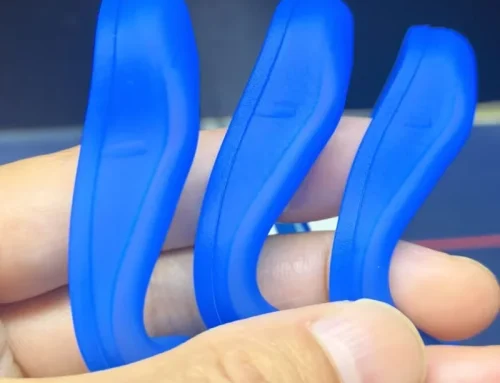
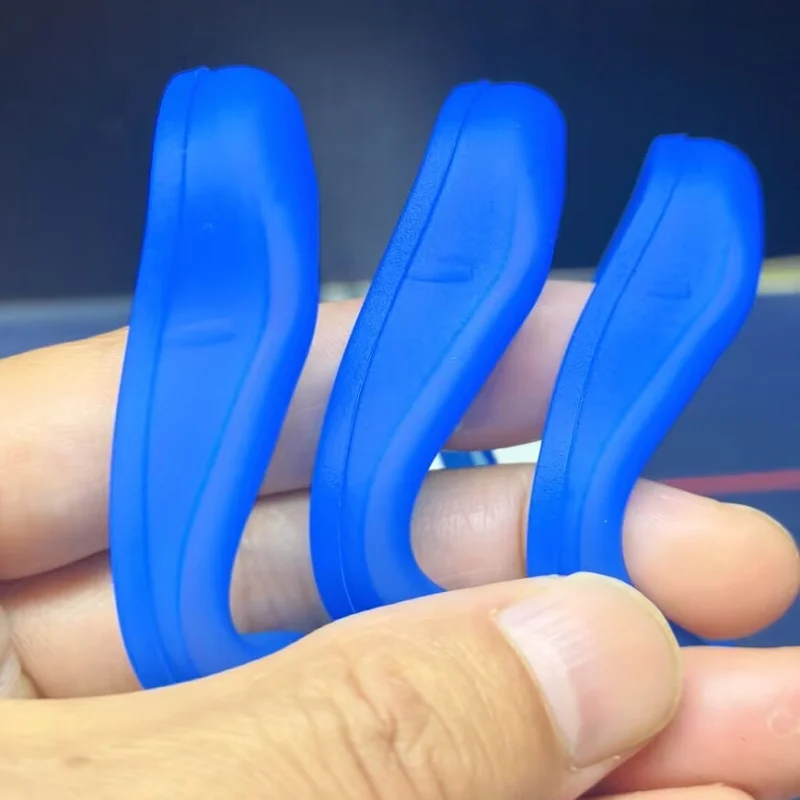
A long-time customer recently sent us a small silicone stamp mold to run on our production floor. They had it made at another shop to save money—four patterns, two cavities each, all in one compact tool. The goal was simple: test the market without investing in expensive tooling.
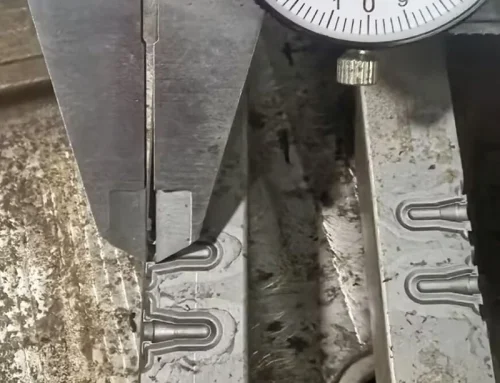
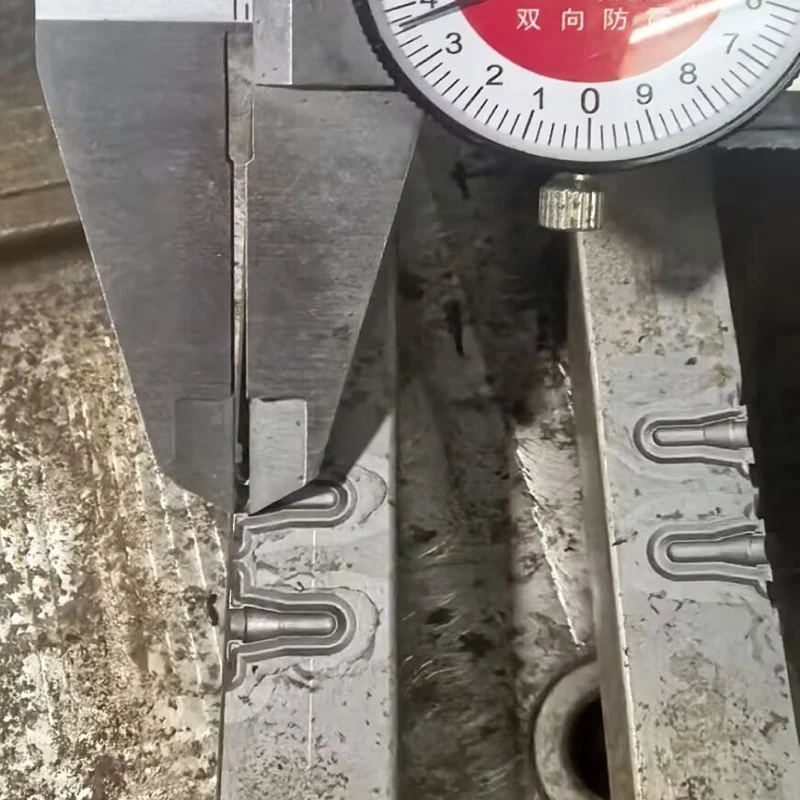
We opened the mold and immediately saw the problem. The steel plate was only 10mm thick. Four different stamp designs, all the same size. Everything looked fine—until we checked the thickness. (Chicarubber)
The Problem with Thin Molds
In silicone molding, mold thickness matters. Our standard steel molds are 30–40mm thick minimum. That thickness provides the strength and heat stability needed for thousands of cycles. A 10mm plate is different. It’s thin, weak, and has a short lifespan.
This mold was made from aluminum, not steel. Aluminum is cheaper and faster to machine, which is why some suppliers use it for low-volume work. But it wears out quickly, can’t be repaired, and deforms under pressure. This one was already showing signs of stress.
Running It on Our Machine
To even run this mold, we had to dial our press pressure way down—10 to 20 tons, compared to normal operating levels. Why? Because too much pressure would crack or bend the thin plate. Even at low pressure, the flash was heavy. Silicone squeezed out around the edges, creating messy parts that needed extra trimming.
It worked. Barely. But it wasn’t production-ready.
When Small Molds Make Sense
Here’s the thing: we understand why customers do this. If you’re testing a new silicone stamp design and don’t know if it’ll sell, spending thousands on a proper steel mold doesn’t make sense. A small, cheap aluminum tool lets you make samples, show buyers, and gauge demand.
That’s a valid strategy. Small molds are for proof of concept, not for production.
Once demand is proven, the smart move is to invest in a proper steel mold. It costs more upfront, but it lasts for tens of thousands of cycles, holds tight tolerances, and reduces your per-part cost dramatically. That’s how you scale. (Chicarubber)
The Takeaway
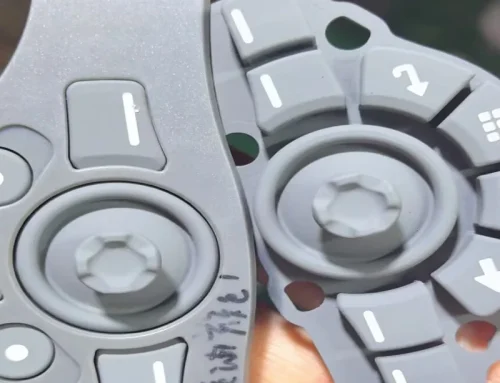
If you’re developing a silicone product—stamps, keypads, seals, or anything else—don’t get stuck with a mold that can’t keep up. Use a small tool to test the market. Then upgrade to a steel mold when you’re ready to produce.
We’ve seen both sides. We know when to go cheap and when to go durable. And we’ll tell you honestly which one your project needs.
Contact us to discuss your silicone molding project—whether you’re prototyping or ready for full production.
Why Thin Silicone Molds Fail (And When It’s Okay to Use Them)
If you need to customize silicone products, please contact us at chicarubber