

Fixing Color Bleed in a Two-Tone Silicone Slapping Palm Stick
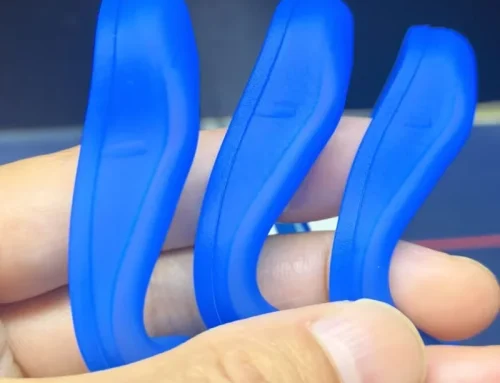
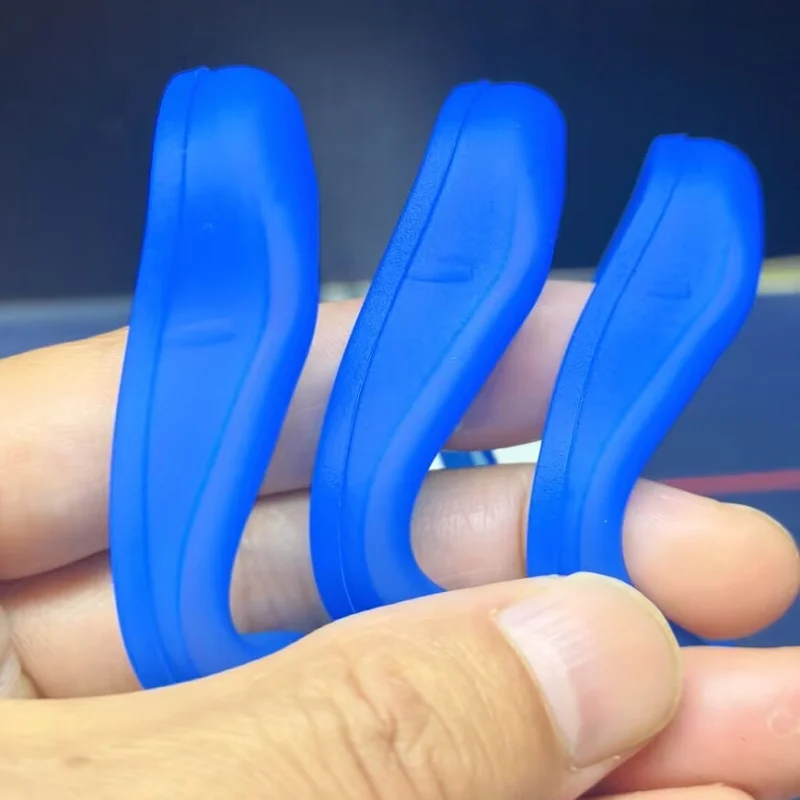
We recently worked on a custom silicone slapping palm stick—a wellness tool designed to tap shoulders, back, arms, and legs. It features a silicone palm wrapped around a plastic rod core. One of our long-time customers ordered this two-color design, and after a recent batch, they came back with a problem: roughly 30% of the units had ugly, wavy color boundaries. (Chicarubber)
Here’s what happened—and how we fixed it.
Why Two-Color Silicone Bleeds
When two silicone colors are molded together in one tool, heat and pressure cause them to flow into each other. The result? A blurry, uneven line instead of a crisp separation. This is normal. It’s physics.
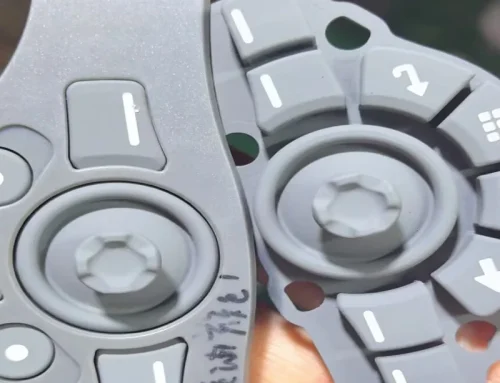
The solution is a two-shot process: mold one color first, let it cure, position it precisely in the mold, then inject the second color around it. This locks the boundary in place. We use this technique regularly for remote control keypads—if you want to see how it works, check out our silicone keypad page.
The Challenge: A Plastic Core Inside
But this product wasn’t a simple silicone slapping palm stick. It had a plastic rod running through the center. Overmolding silicone around a rigid core makes two-shot molding far more difficult. Alignment, pressure, and material flow all become harder to control. And the mold was already built.
Still, our customer needed a fix. So we made it work.
Our Two-Part Solution
1. Rework what was returned. For the 30% of units with poor color boundaries, we sprayed a color-matched oil coating over the transition zone. This covered the wavy line and restored a clean appearance. Those reworked units went back to the customer.
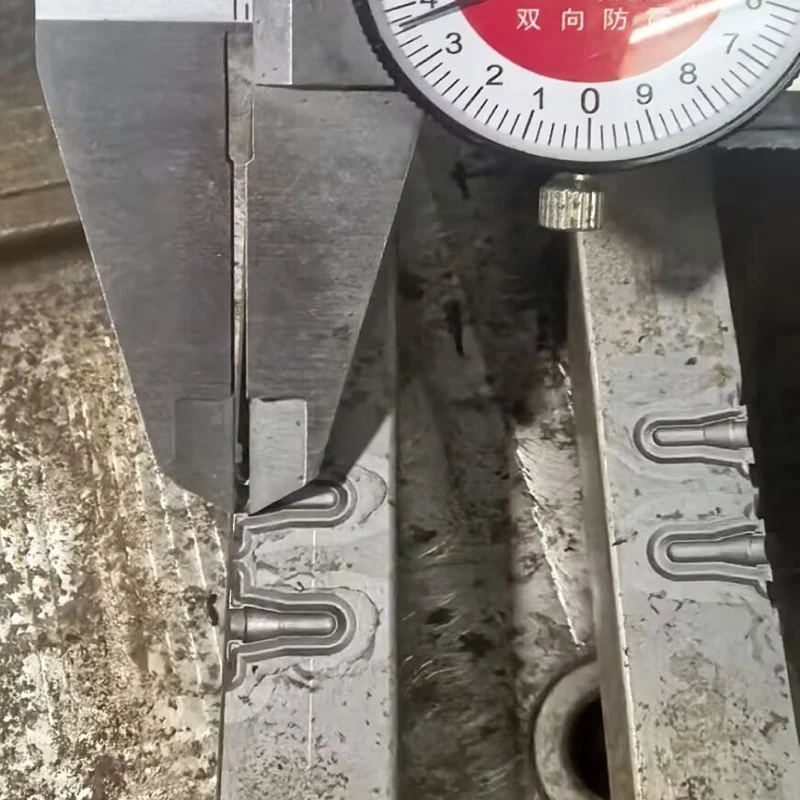
2. Improve the next production run. We adjusted the material weights. The red silicone needed more compound, the green less. Why? Because excess green was flowing inward and pushing into the palm center, distorting the boundary. By weighing the red portion more generously, we gave it enough volume to hold its shape and stop the green from encroaching.
Small weight adjustments—sometimes just fractions of a gram—make a big difference in multi-color silicone molding.
What We Learned (Chicarubber)
Two-color silicone parts with an inserted core are unforgiving. If the boundary matters, you need either a properly designed two-shot mold from the start, or precise weight control and a willingness to rework. Spray coating can save a bad batch, but it’s a fix, not a strategy.
If you’re developing a multi-color silicone product—especially one with overmolding or an inserted core—talk to us early. We’ll help you avoid the 30% reject rate before it happens.
Contact us to discuss your project.
Fixing Color Bleed in a Two-Tone Silicone Slapping Palm Stick
If you need to customize silicone products, please contact us at chicarubber