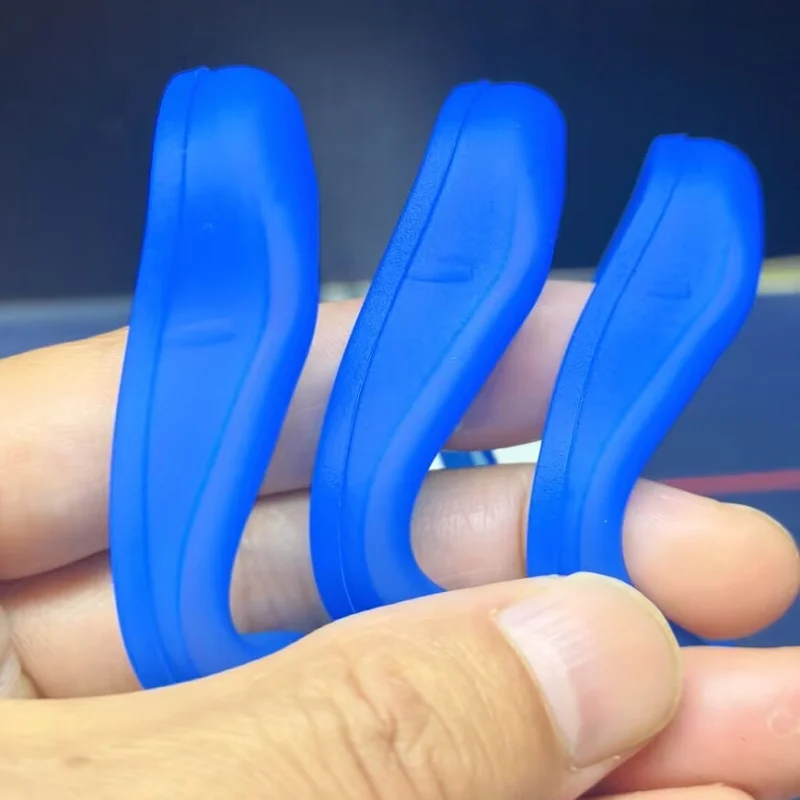
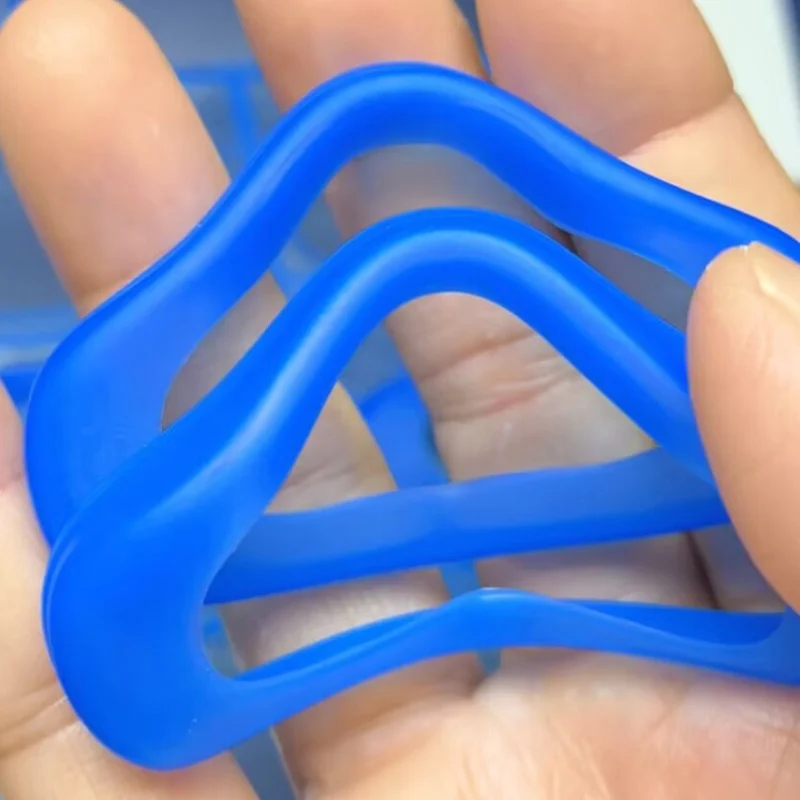
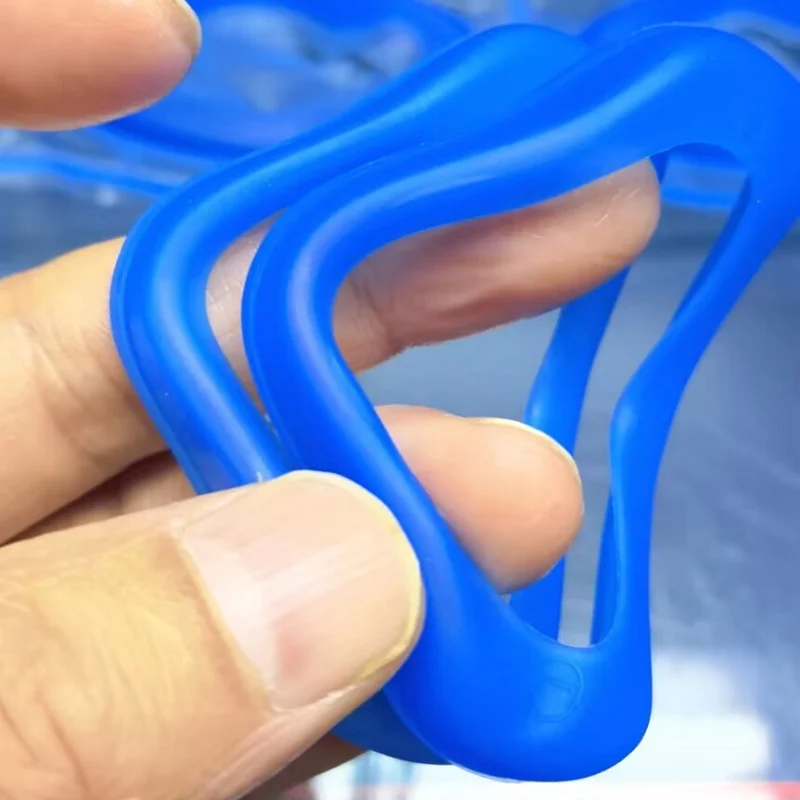
Silicone Mask Seals: What Trial Runs Taught Us About Copy Molds
We’re currently running a batch of silicone mask seals—and building a new mold to add capacity. The old mold is still performing well and has already shipped a customer order. The goal is simple: get the new production mold qualified and into production in time to meet the customer’s delivery date.
The trial runs surfaced two issues worth sharing.(Chicarubber)
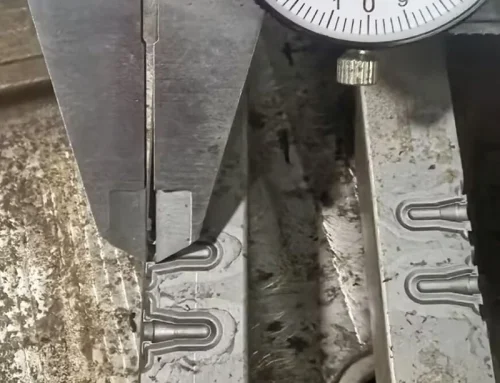
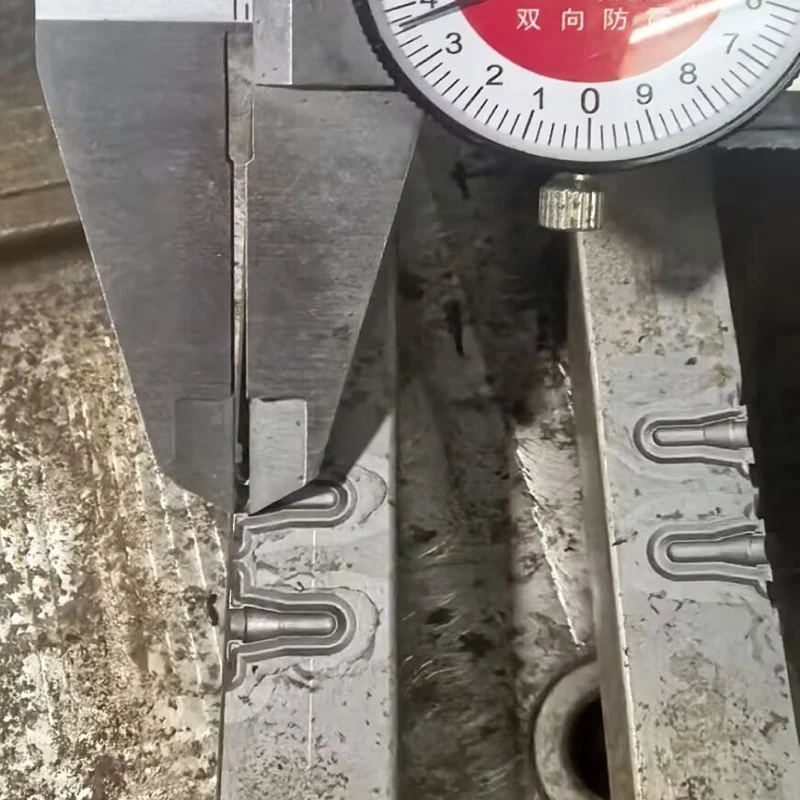
First, demolding. The new mold was a bit hard to release. Testing showed the undercut area was slightly larger than on the old mold. The fix: back on the machine for rework.
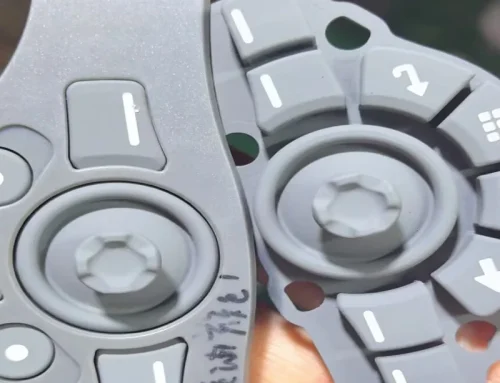
Second, raised spots on the surface. This seal sits against the face, so the customer was clear—no bumps. Follow the structural drawing exactly. A raised point could cause leakage and compromise function. We scheduled rework. The customer’s requirement is the standard.
Here’s the lesson. When we build a copy mold, it’s easy to assume the tool is fine: shoot a few shots, trim the flash, check a couple of parts, and send samples for approval. In fact, the customer said it looked good—just go to production. But our full inspection found small problems in a few cavities. To protect quality, we stopped and fixed the mold first.(Chicarubber)
That’s why we now require it in every production meeting: after trial runs, Quality must inspect everything—dimensions and appearance.
Copy molds aren’t automatically problem-free. Full inspection before approval is how small cavity issues stay out of your shipment.
Silicone Mask Seals: What Trial Runs Taught Us About Copy Molds
If you need to customize silicone products, please contact us at chicarubber



Leave A Comment
You must be logged in to post a comment.