Silicone Sensory Sticks: The Ultimate Anti-Stress & Fidget Toy for Autism and ADHD
We all have moments when we need to reset our focus or calm an overwhelmed mind. For some people — especially children and adults with autism, ADHD, or anxiety disorders — that need can arise many times a day.
That is exactly why silicone sensory sticks have quickly become one of the most popular fidget toys in homes, classrooms, and therapy clinics.
In this guide, we will explain:
- What silicone sensory sticks are
- Why they work for autism and ADHD
- How they help with stress & anxiety
- Who should use them (Chicarubber)
- And why silicone is the best material
What Are Silicone Sensory Sticks?
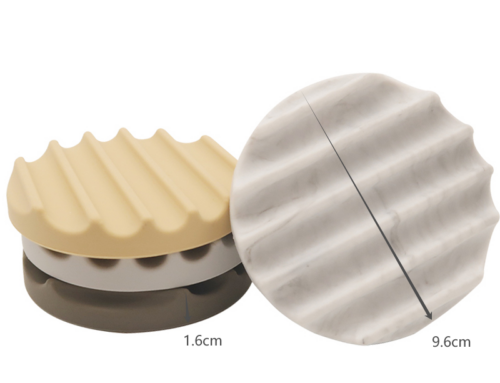
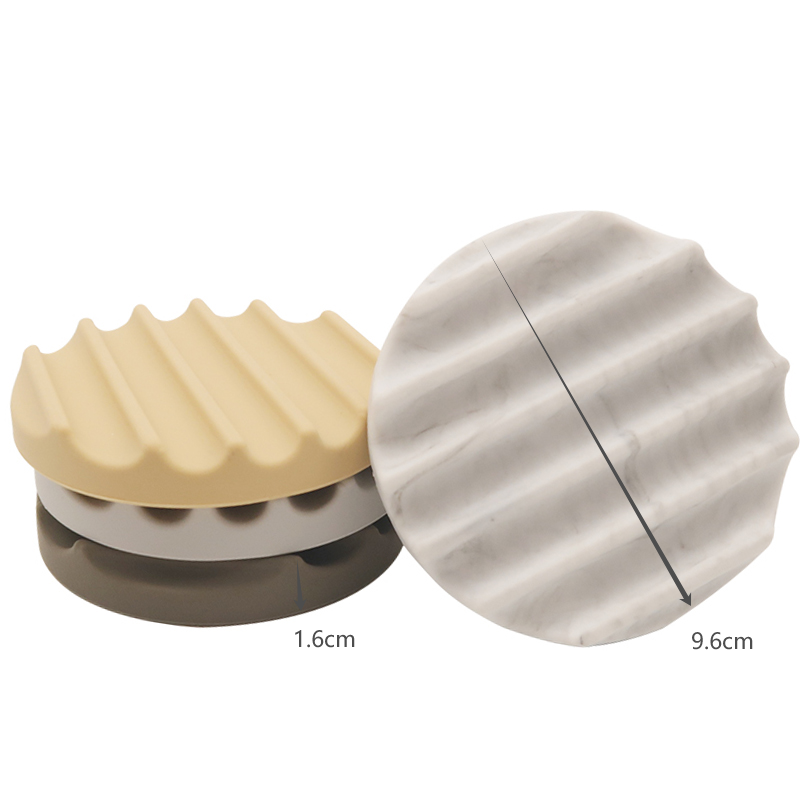
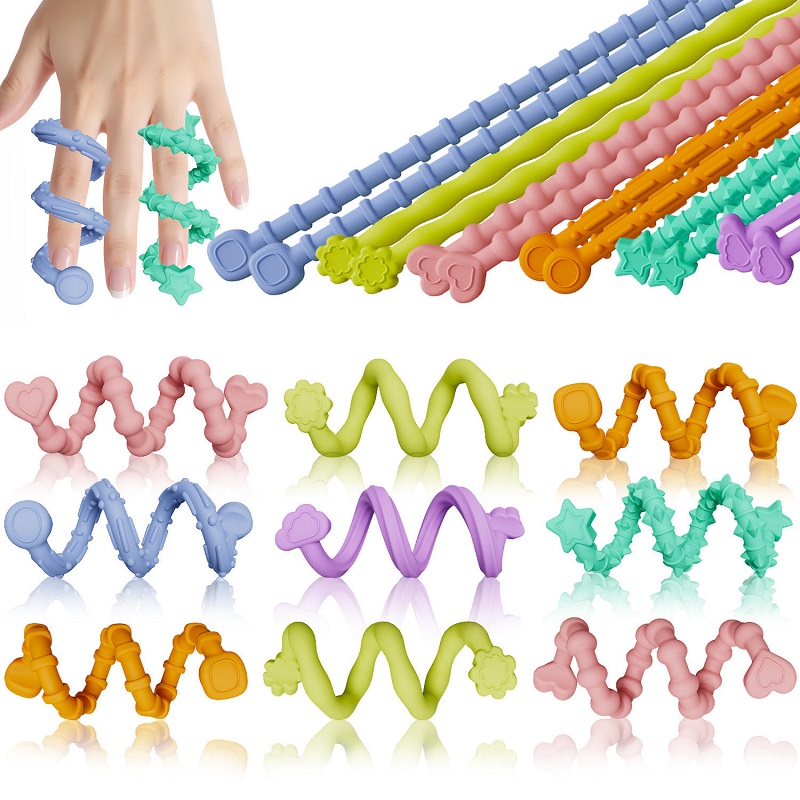
Silicone sensory sticks are handheld, textured fidget tools made from soft, food-grade silicone. They are typically shaped like small bars or sticks, with different tactile surfaces on each side — including dots, bumps, ridges, zigzags, or waves.
Unlike noisy or complicated fidget toys, these sticks are:
- Silent – perfect for classrooms and offices
- Portable – fits in a pocket, pencil case, or bag
- Easy to clean – wash with soap and water or wipe with alcohol
- Safe – BPA‑free, latex‑free, and non‑toxic
If you are looking for a low‑profile fidget tool that actually works, this is it.
Why Sensory Sticks Help with Autism & ADHD
For individuals on the autism spectrum or with ADHD, sensory regulation is not a luxury — it is a necessity. Their brains may process touch, sound, or visual input differently, leading to either sensory seeking or sensory avoidance behaviors.
How sensory sticks help:
| Challenge | How the stick helps |
|---|---|
| Restless hands / need to fidget | Provides a repetitive, predictable tactile input |
| Difficulty concentrating | Frees up mental energy by occupying the “background” senses |
| Overstimulation / meltdowns | Acts as a grounding tool to bring attention back to the body |
| Oral sensory needs (if chewable) | Safe silicone surface can be chewed without breaking |
👉 Result: Less distraction, fewer meltdowns, and better focus on learning or daily tasks.
Stress & Anxiety Relief for All Ages (Not Just Kids)
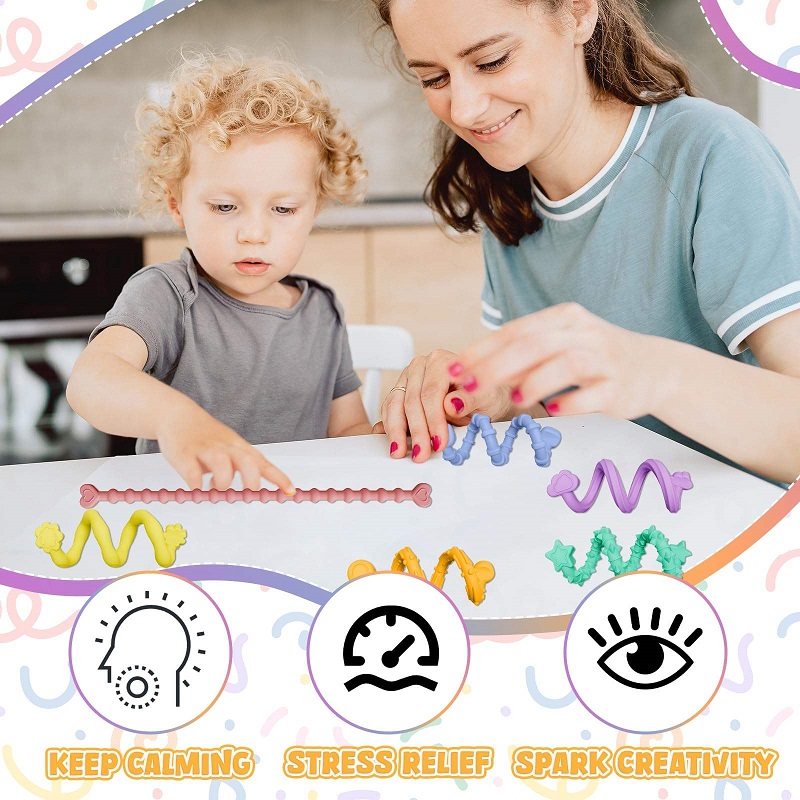
You do not need a diagnosis to benefit from a sensory stick.
Stress, worry, and nervous habits affect everyone. (Chicarubber)
When you feel anxious, your body releases stress hormones. Repetitive fidgeting — using a textured sensory stick — can help lower cortisol levels and activate your parasympathetic nervous system (the “rest and digest” mode).
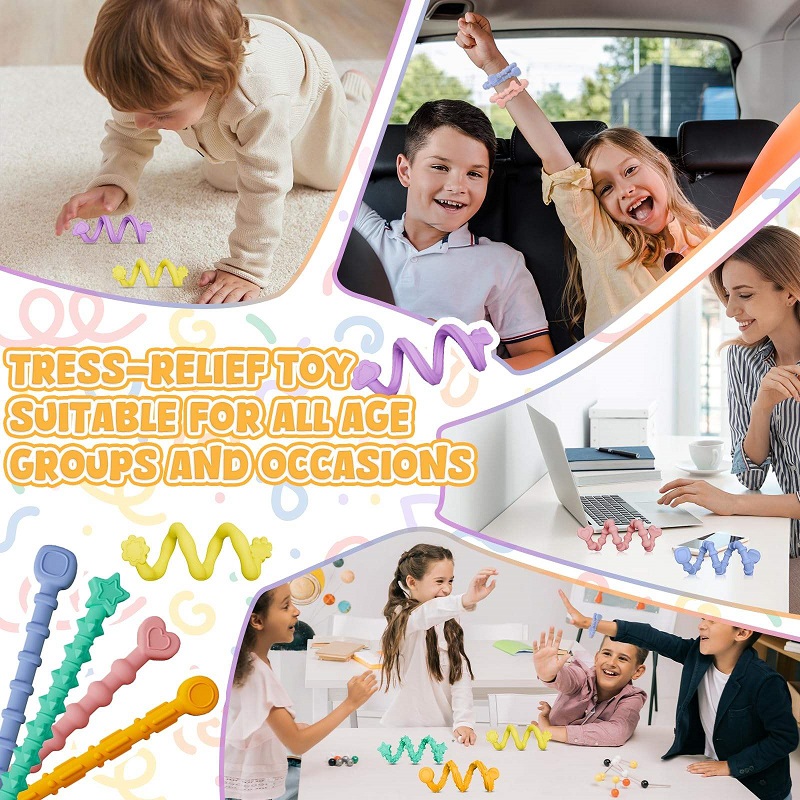
People use silicone sensory sticks for:
- Work-from-home stress
- Long car or plane trips
- Waiting rooms (doctor, dentist, DMV)
- Zoom meetings or phone calls
- Nail biting or skin picking replacement
They are quiet and discreet — no one even has to notice you are using one.
Why Silicone? (The Material Matters)
Not all fidget toys are created equal. Many plastic or metal fidgets are hard, noisy, or break easily. Silicone is different.
| Feature | Benefit |
|---|---|
| Soft & flexible | Gentle on skin and teeth |
| Durable | Will not tear or lose texture under normal use |
| Non‑slip | Easy to grip, even with sweaty hands |
| Easy to sterilize | Perfect for clinics, schools, or shared environments |
| Temperature neutral | Does not feel cold or metallic |
✅ BPA‑free, phthalate‑free, and odorless – safe for children and adults.
Who Is This Toy For? (Buyer Personas)
You should consider adding silicone sensory sticks to your sensory toolkit if you are:
1. A parent of a child with autism or ADHD
- Helps with transitions, homework time, and public outings
- Reduces pinching, picking, or other less‑safe stimming
2. A teacher or special education professional
- Silent fidget tool that does not distract other students
- Easy to sanitize between uses
3. An adult with anxiety or panic disorder
- Discreet pocket‑sized grounding tool
- Helps during high‑stress situations (presentations, traffic, crowds)
4. An occupational therapist (OT)
- Great for sensory integration activities
- Easy to introduce into therapy sessions
5. Anyone looking for a non‑digital stress reliever
- No batteries, no screens, no noise
How to Use Silicone Sensory Sticks (Practical Examples)
You are not limited to just holding the stick. Here are real‑world ways people use them:
- During homework or reading – one hand holds the stick while the other writes
- On the car ride home – decompress after school or work
- Before bed – gentle repetitive touch helps transition into sleep
- In a calm‑down corner – part of a sensory break routine
- During therapy (OT/ABA) – reward or regulation tool
No rules. Whatever feels calming and grounding.
Features to Look for When Buying Sensory Sticks
If you are shopping for silicone sensory sticks (or selling them on your store), here is what matters most:
✅ 100% food‑grade silicone – safe for mouthing
✅ Multiple textures – more sensory value
✅ Easy to clean – dishwasher safe or washable by hand
✅ Solid construction – no small parts that can detach
✅ Bright or neutral color options – choice matters for sensitive users
📦 Bonus: Some come in sets of 3–5 sticks, so you can keep one in the car, one at a desk, and one in a bag.
Silicone Sensory Sticks vs Other Fidget Toys (Quick Comparison)
| Toy Type | Noise | Texture | Chewable | Portable | Durability |
|---|---|---|---|---|---|
| Silicone sensory stick | Silent | High | ✅ (food grade) | ✅ | High |
| Fidget spinner | Moderate noise | Low | ❌ | ✅ | Medium |
| Pop it / simple fidget | Silent | Low | ❌ | ✅ | Medium |
| Metal fidget slider | Noticeable | Medium | ❌ | ✅ | High (but hard) |
| Putty / dough | Silent | Medium | ❌ | Medium | Low |
👉 For silent, texture‑rich, portable, and safe use — silicone sensory sticks win.
The Bottom Line: Should You Try Silicone Sensory Sticks?
If you or your child:
- frequently feels overwhelmed, anxious, or restless
- needs to move or touch something to focus
- benefits from quiet, discreet sensory input
- wants a non‑digital, safe, and durable tool
…then silicone sensory sticks are absolutely worth trying.
They are low‑risk, affordable, and backed by how sensory processing works. Thousands of parents, teachers, and therapists already use them — not because they are trendy, but because they work.
Silicone Sensory Sticks: The Ultimate Anti-Stress & Fidget Toy for Autism and ADHD
If you need to customize silicone products, please contact us at chicarubber