

How Weighted Silicone Bracelets Are Made: A Factory Guide for Brands and Buyers
Weighted silicone bracelets—also called weighted wristbands, wearable weights, or silicone weight wraps—are having a moment. They show up in fitness, recovery, physical therapy, and everyday wellness. For brands, they look like an easy product: silicone, metal, a strap, and Velcro. But behind the sample is a manufacturing process that depends on tooling, fixtures, overmolding, assembly, and tight quality control.
If you are sourcing this product, here’s a practical look at how it’s made—and what smart buyers should know before placing an order.(Chicarubber)
Why the Market Is So Crowded
The category is hot. Some factories are running full lines just for weighted silicone bracelets, and pricing has been pushed very close to cost. That’s good news for buyers in the short term, but it also means late entrants and factories competing only on price may have little room to win.
The advantage goes to suppliers who can control tooling, fixture design, overmolding yield, assembly, design, and intellectual property. If you’re entering late with nothing different, price alone is a hard game.
What’s Inside a Weighted Silicone Bracelet?
A typical set includes:
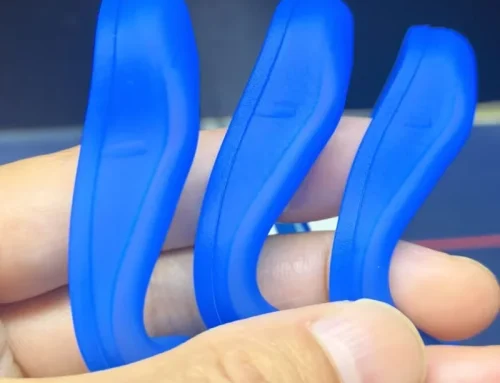
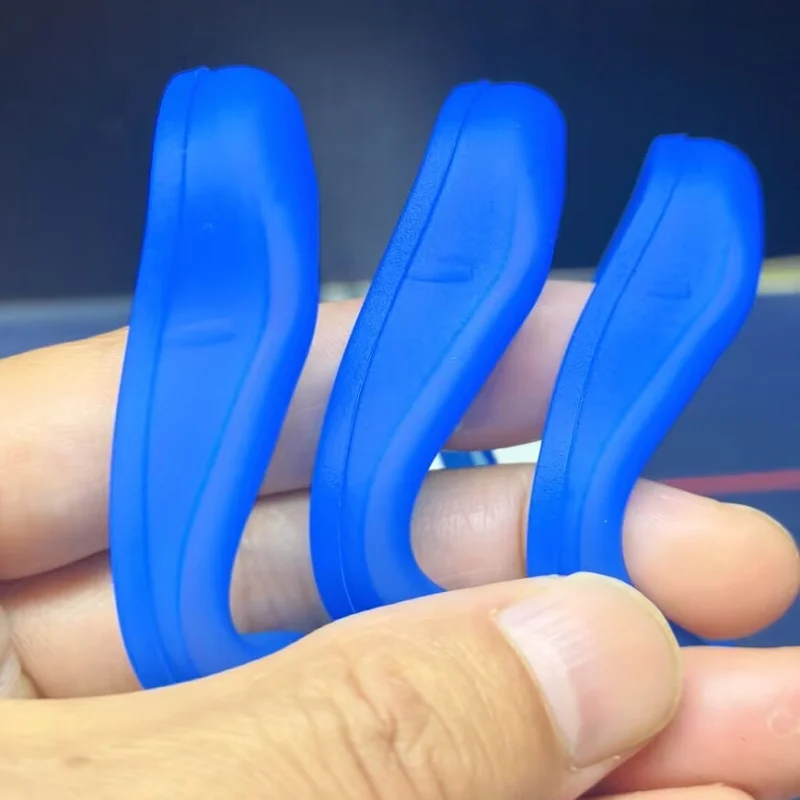
- Silicone weight pods—usually eight per set
- Metal inserts or hardware
- Molded silicone over the metal
- A woven strap, often nylon or polyester
- Hook-and-loop closure, commonly called Velcro
- Surface treatment: soft-touch silicone oil spray or UV coating
It sounds simple. The details are where projects succeed or fail.
The Manufacturing Process, Step by Step
1. Tooling and Fixture Design
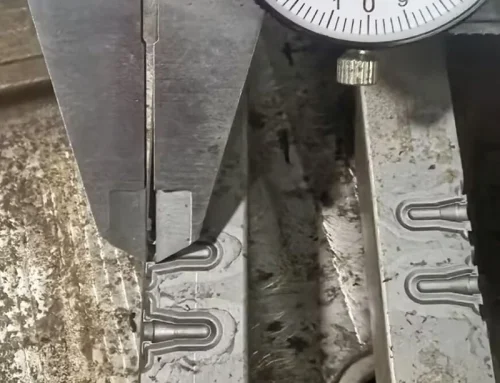
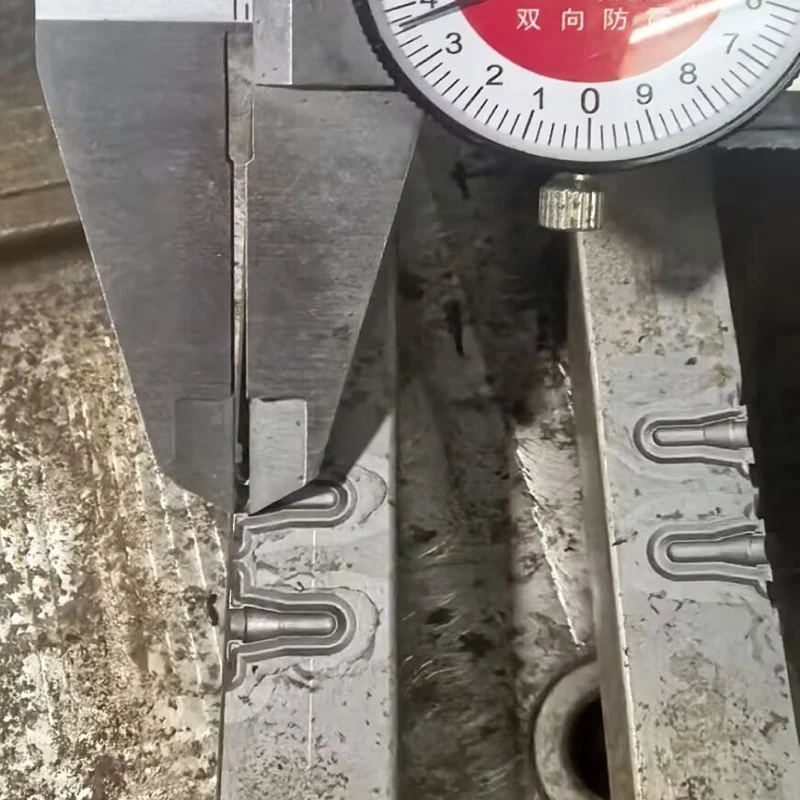
Even if the metal hardware is available off the shelf, you still need a custom silicone mold and locating fixtures. The fixtures hold the metal inserts in the correct position during molding.
2. Metal Insert Preparation
The metal inserts are cleaned and arranged on insert strips. They lock into the mold insert strips so they stay stable during production.
3. Loading the Mold
Using the fixtures, operators load the metal inserts into the mold. A full mold is loaded at once. After loading, each insert is pushed to check for looseness before the mold closes. This small check prevents shifting, flash, and rejects.
4. Silicone Overmolding
Silicone is molded around the metal insert. Temperature, pressure, and cure time must be controlled so the silicone bonds well and the weight stays secure.
5. Demolding
After overmolding, machine demolding removes the parts. Proper demolding reduces tearing and protects the surface.
6. Surface Treatment
The silicone can be sprayed with soft-touch oil or UV-coated. This affects feel, gloss or matte look, and durability.
7. Strap Assembly
A set of eight silicone pods is threaded onto a strap and sewn. The strap includes hook-and-loop tape so it can wrap around the wrist and fasten back onto itself.
8. QC and Packing
Check insert security, weight accuracy, silicone surface, strap stitching, Velcro strength, and overall appearance. A good QC process catches problems before they reach your customers.
The Cost Reality
Market prices are already close to cost. Some factories are extremely busy and specialize in this item. If a new silicone factory enters late without better design, automation, or assembly efficiency, it will be hard to compete.(Chicarubber)
For buyers, the lowest quote is not always the best deal. Ask about tooling cost, mold life, insert loss rate, overmolding yield, assembly labor, lead time, and packaging. A few cents saved can disappear with delays, returns, or quality issues.
Patents and Design: Don’t Just Copy
Many weighted bracelet designs are patented. Many are not. Copying a patented product can create legal and marketplace risk.
Smart brands improve instead of copying. Change the shape, weight distribution, strap system, closure, surface finish, color, or packaging. A good manufacturing partner can help you make a version that is different and better—not just another clone.
What to Look for in a Manufacturing Partner
- Experience with silicone overmolding and metal inserts
- Proven tooling and fixture design
- Reliable insert loading and demolding
- Strong sewing and assembly for straps and Velcro
- Surface treatment options: soft-touch oil, UV coating, colors
- Clear QC process and lead times
- Willingness to discuss patent and design differences
Bottom Line
Weighted silicone bracelets are not hard to understand, but they are not as simple as they look. The factories that win will be the ones that control tooling, yield, assembly, design, and quality—not just price.
At our factory, we help brands develop custom weighted silicone bracelets from sample analysis to tooling, overmolding, strap assembly, surface finishing, and packaging. If you have a sample, drawing, or target price, send it over. We’ll review the construction, suggest improvements, and quote a realistic production plan.
How Weighted Silicone Bracelets Are Made: A Factory Guide for Brands and Buyers
If you need to customize silicone products, please contact us at chicarubber