

Silicone Massager Sleeve Prototyping: Why This Lemon-Shaped Cover Is Harder Than It Looks
If you’re developing a vibration massager, the silicone sleeve is not just a cover. It’s the part your customer feels, touches, and trusts. It protects the electronics, cushions the motor, and shapes the entire user experience.
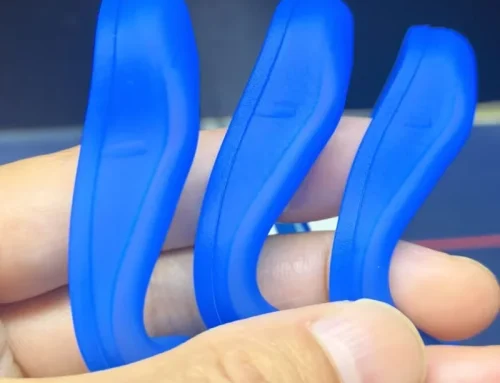
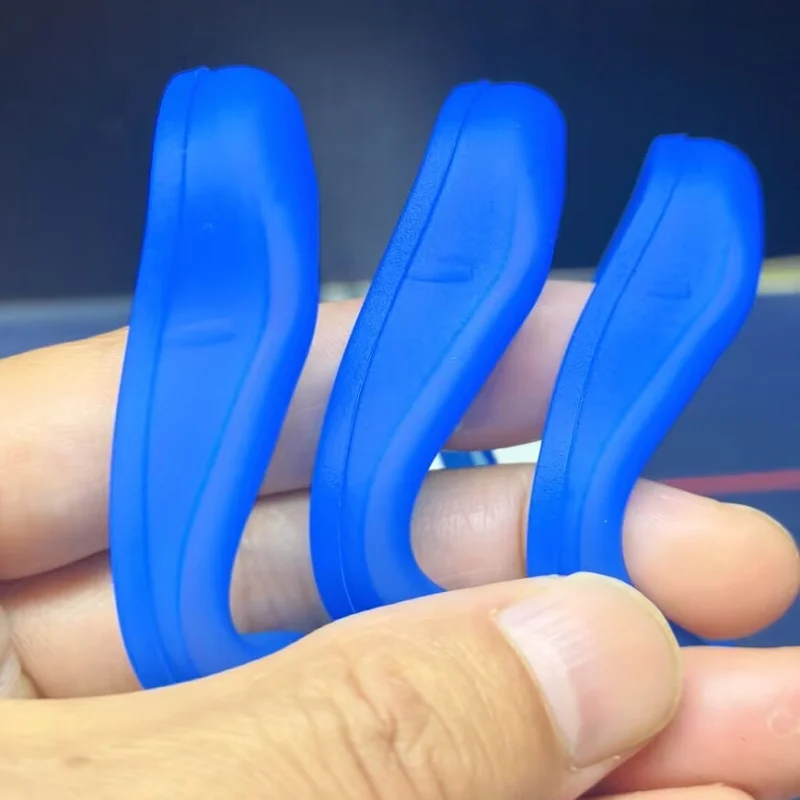
Take a lemon-shaped silicone sleeve used for acupressure massage. It looks simple. Inside, there’s a battery, a motor, and electronic components. The sleeve is soft, hollow, and has a small opening. The user turns it on, chooses a vibration frequency, and adjusts the intensity to their comfort level. (Chicarubber)
For brands and buyers, this kind of custom silicone part can be a great product—but only if you understand how it’s made, where the risks are, and what a realistic sampling and production plan looks like.
What Makes This Silicone Sleeve Different?
This is not a basic silicone band or a simple cover. It’s a precision soft-goods component with several requirements:
- Lemon-shaped, hollow body for targeted acupressure massage
- Small opening that fits over internal electronics
- 25 Shore A soft silicone that feels gentle on skin and sensitive areas
- Vibration buffering so the motor’s movement feels smoother and more comfortable
- Waterproof protection for the battery, motor, and electronic parts
- Surface treatment with anti-dust oil and soft-touch oil for a skin-friendly feel and easy cleaning
With normal use and no cuts or punctures, the silicone can last 5 years or more. That’s a strong selling point—if the part is designed and molded correctly.
The Real Challenge: Demolding and Finishing
This product is difficult to produce. The main reason is the shape.
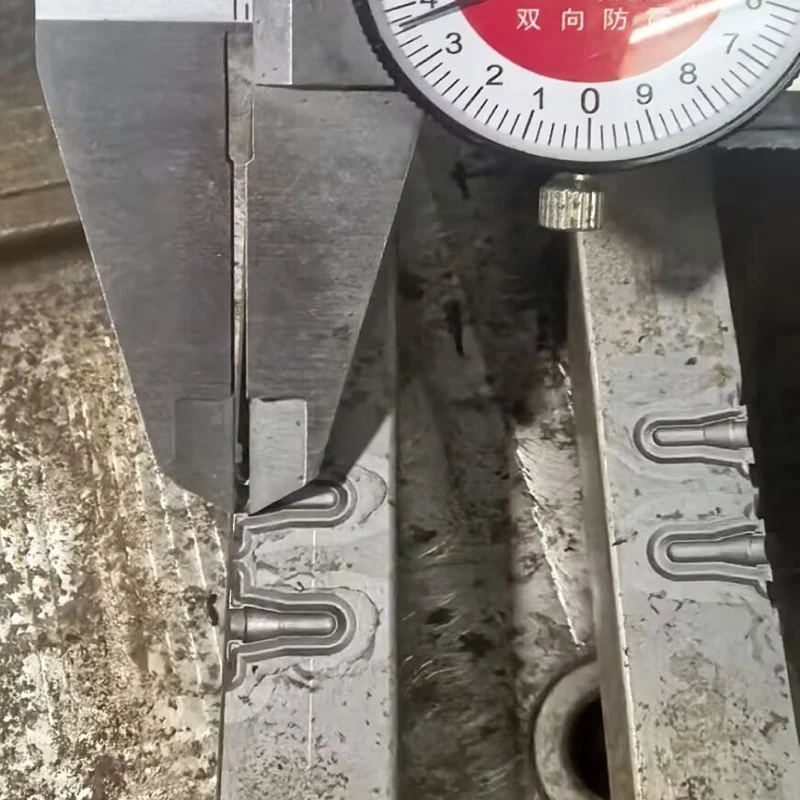
The silicone sleeve has a small opening and a hollow center. During molding, a mold core is inserted inside the sleeve. After the silicone cures, that core has to come out. Because the opening is small, demolding often requires an air gun, strong pulling, and manual force. It’s slow, labor-intensive, and hard on the parts.
Then there’s the finishing work. Every sleeve goes through multiple steps:
- Deflashing – removing rough flash and excess silicone
- Trimming – cleaning up the edges
- Parting line grinding – smoothing the mold seam
- Water grinding / wet tumbling – improving the surface
- Soft-touch oil spraying – adding the skin-friendly feel
- QC inspection – checking shape, surface, opening, and function
- Packing and warehousing – preparing for shipment
Each step can create defects. In a difficult project like this, the final defect rate can reach around 30% if the process isn’t tightly controlled. That’s not a reason to avoid the product. It’s a reason to choose a factory that understands the risks and quotes realistically.
Why Prototyping Matters
For a silicone massager sleeve, prototyping is not just about making a sample that looks right. It’s about proving the whole process:
- Can the mold core be inserted and removed without damaging the sleeve?
- Is the opening small enough to hold the electronics, but flexible enough for assembly?
- Does the 25 Shore A silicone feel soft without tearing?
- Does the surface treatment hold up after repeated cleaning?
- Does the sleeve reduce vibration harshness without killing the massage effect?
- What is the real defect rate at each step?
A good prototype answers these questions before you commit to mass production. It also helps you avoid costly mold changes later.
What Buyers Should Look For in a Manufacturing Partner
Not every silicone factory can make this part profitably. The best partners bring:
- Experience with custom silicone molding and hollow, small-opening parts
- Strong mold core design and demolding strategy
- Knowledge of 25 Shore A soft silicone and skin-safe materials
- Surface treatment options like anti-dust oil, soft-touch oil, and UV coating
- Controlled deflashing, grinding, and water grinding processes
- Clear QC standards and honest yield expectations
- Willingness to discuss design improvements and patent differences
If a supplier quotes a very low price without asking about demolding, finishing, or defect rates, that quote is probably not real.
The Bottom Line
A lemon-shaped silicone sleeve for a vibration massager is a high-value, high-difficulty product. It combines soft silicone, electronic protection, skin comfort, waterproofing, and complex demolding. The factories that win in this category are not the ones with the lowest price. They’re the ones that can control tooling, core design, finishing, and quality. (Chicarubber)
At our factory, we help brands prototype and produce custom silicone massager sleeves—from DFM review and sample molding to deflashing, surface treatment, QC, and packing. If you have a drawing, a sample, or a target price, send it over. We’ll review the construction, suggest improvements, and give you a realistic prototyping and production plan.
Ready to develop your silicone massager sleeve? Contact us for a quote and sample discussion.
If you need to customize silicone products, please contact us at chicarubber